 (Image via
Nothing compares to the lively tang of zesty pickles, the smooth richness of yogurt spooned onto your favorite dishes, or the deep umami of miso blending perfectly with roasted vegetables. Fermented foods add complexity and depth to home-cooked meals while contributing to a nourishing diet. Welcoming these traditional ingredients into your kitchen invites you to explore culinary customs from across the globe, such as the punchy heat of Kimchi in Korea or the gentle sweetness of Miso from Japan. Trying out fermentation in your own space encourages curiosity, sparks new ideas, and brings gut-friendly benefits right to your table.
This guide explores seven inventive ways to cook with fermented ingredients, blending cultural insight with practical tips. Get ready to elevate salads, soups, snacks, and main courses with vibrant, probiotic-rich additions. Your taste buds and your health will thank you.
Understanding Fermented Ingredients
- Sauerkraut: crisp and tangy, adds acidity and crunch to sandwiches or slaws
- Kombucha: fizzy tea drink, ideal for spritzers or marinade bases
- Natto: sticky soybean paste rich in umami, perfect for breakfast bowls
- Yogurt: creamy and slightly sour, works in dressings, dips, and sauces
- Miso: savory paste available in light or dark varieties, boosts depth in broths
Each of these ingredients carries unique probiotic cultures that support digestion and introduce bold notes. By understanding their textures and flavors, you can pair them confidently: the spark of kombucha brightens seafood, while the earthiness of dark miso enriches roasted root vegetables.
Method 1: Quick Pickling Hacks
Quick pickling transforms raw vegetables in minutes using a simple brine of vinegar, salt, and sugar. Slice cucumbers, radishes, or onions thinly, then immerse them in hot brine. Let them soak for at least 20 minutes, or refrigerate overnight for deeper flavor. This speedy approach delivers crisp, tangy bites you can toss into salads or pile onto tacos.
To elevate your pickles, stir in spices like mustard seeds, coriander, or chili flakes. Add fresh herbs—dill, mint, or cilantro—to shift regional vibes: dill for Eastern European flair, mint for Middle Eastern zest, cilantro for Southeast Asian heat. Experiment with kombucha instead of plain vinegar for a probiotic twist and subtle tea undertones.
Method 2: Lacto-Fermentation Techniques
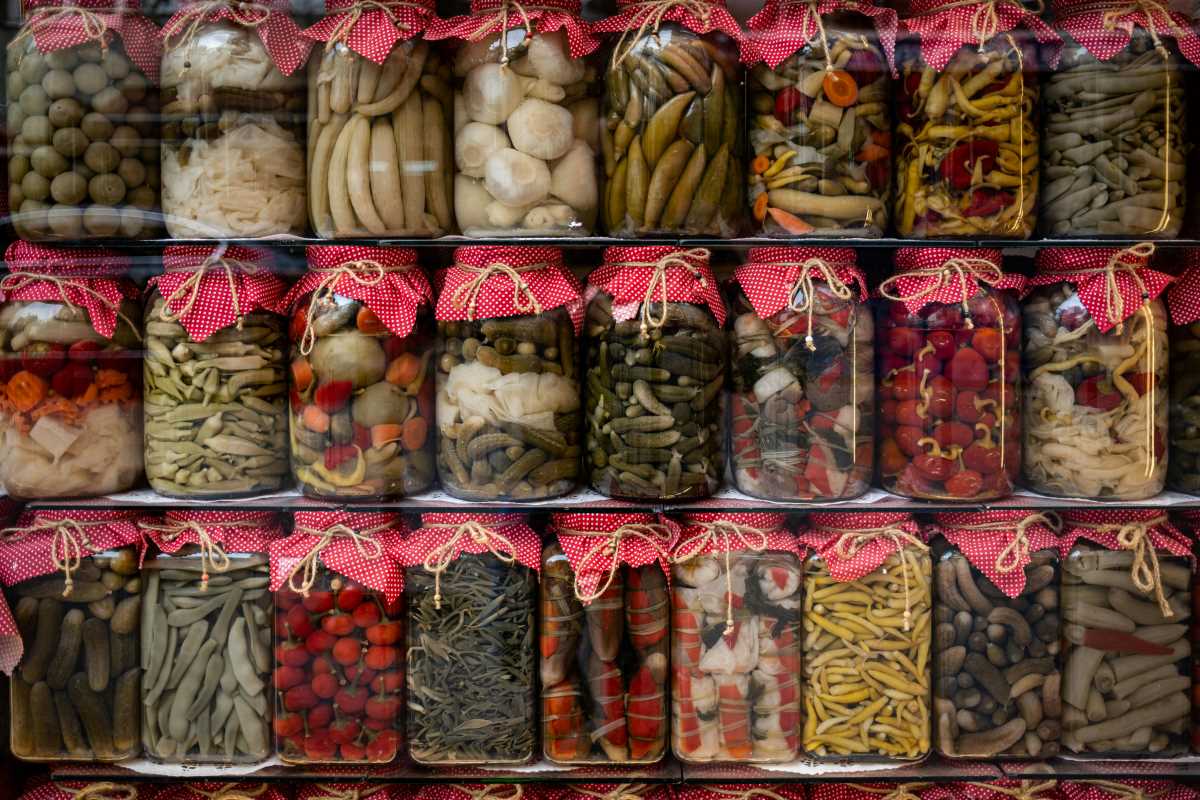
Lacto-fermentation relies on salt and time to cultivate beneficial lactic acid bacteria. Whether you preserve cabbage for sauerkraut or carrots for crunchy sticks, the process remains straightforward.
- Chop or shred your vegetables and place them in a clean jar.
- Mix non-iodized salt into filtered water to create a brine (about 2% salt by weight).
- Pour brine over vegetables, ensuring they stay submerged with a weight or cabbage leaf.
- Seal the jar loosely to release gases and leave at room temperature for 5–7 days.
- Taste daily until you reach your preferred tang, then refrigerate to slow fermentation.
This technique yields crisp, naturally effervescent veggies perfect for snacking, topping omelets, or layering on grain bowls. Keep jars in a cool, dark spot to maintain steady fermentation—if bubbles slow, flavors mature more gently over weeks.
Method 3: Incorporating Fermented Sauces
Fermented sauces like Gochujang, Fish sauce, and miso paste give dishes deep umami and complex aromas. Start by diluting one tablespoon of miso or gochujang in two tablespoons of warm water, then whisk into vinaigrettes or glazes. The rich savor balances sweet glazes on roasted meats or vegetables exquisitely.
By blending sauces with oils, acids, and aromatics, you can craft marinades that tenderize proteins while layering flavor in a single step.
Creative Recipe Ideas and Serving Tips
Combine chopped sauerkraut and cooked rice to make a tangy fried rice alternative—finish with a drizzle of yogurt-based sauce on top. Miso-roasted eggplant becomes irresistibly silky when slathered in a paste of dark miso, honey, and toasted sesame oil, then broiled until caramelized. These unique twists present familiar ingredients through a fermented lens.
Pair kombucha-based cocktails with citrus-forward flavors: mix ginger kombucha, vodka, lime juice, and a splash of liqueur for a refreshing spritz. Serve yogurt tzatziki alongside grilled meats or as a veggie dip. You can also stir natto into warm noodle bowls for a protein-packed, umami-rich upgrade. Each suggestion invites experimentation—swap spices or vegetables to suit your pantry and palate.
Experiment with fermented ingredients like miso and yogurt to add bold flavors and health benefits to your cooking. Combine techniques gradually to create unique dishes. Let fermentation inspire your culinary creativity.