 (Image via
Families find excitement and connection when they set out to experience new places together, especially when those adventures involve tasting unique foods and learning about different cultures. Visiting local markets bursts with energy, from the lively sounds of the crowd to the colors of fresh produce and the warmth of vendors eager to share their goods. Children eagerly choose unfamiliar fruits, while parents recall memories and explain the origins behind each spice or dish. Each walk past handcrafted goods or local delicacies becomes a chance to discover something new. These shared moments encourage curiosity, inspire creative cooking at home, and fill everyone with lasting memories and joyful stories to tell.
Finding a market where locals shop sets the stage for genuine encounters. It may feel tempting to visit the largest tourist market, but neighborhood stalls often reveal hidden gems. From street food carts tucked under lantern-lit alleys to open-air plazas filled with handmade pottery, each destination tells a colorful tale that invites youngsters and adults to learn by doing. That hands-on approach turns a simple outing into a memory families talk about for years.
What Markets Are
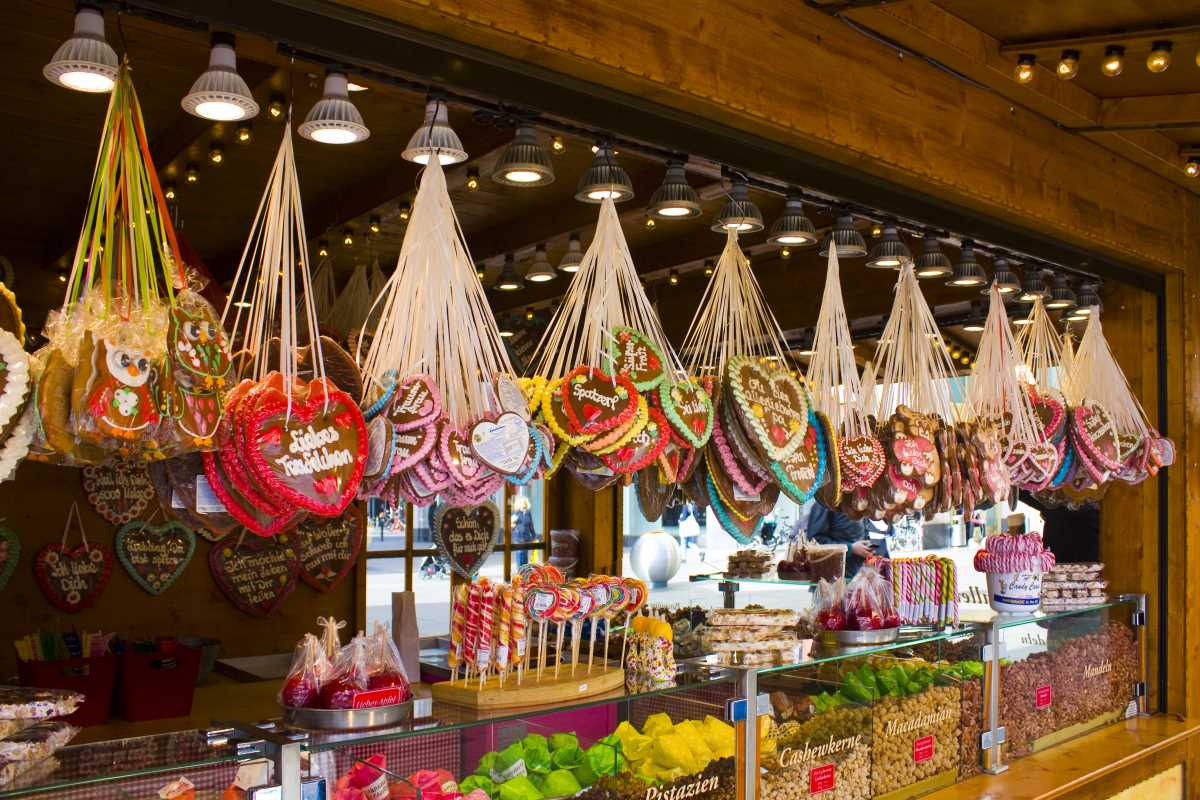
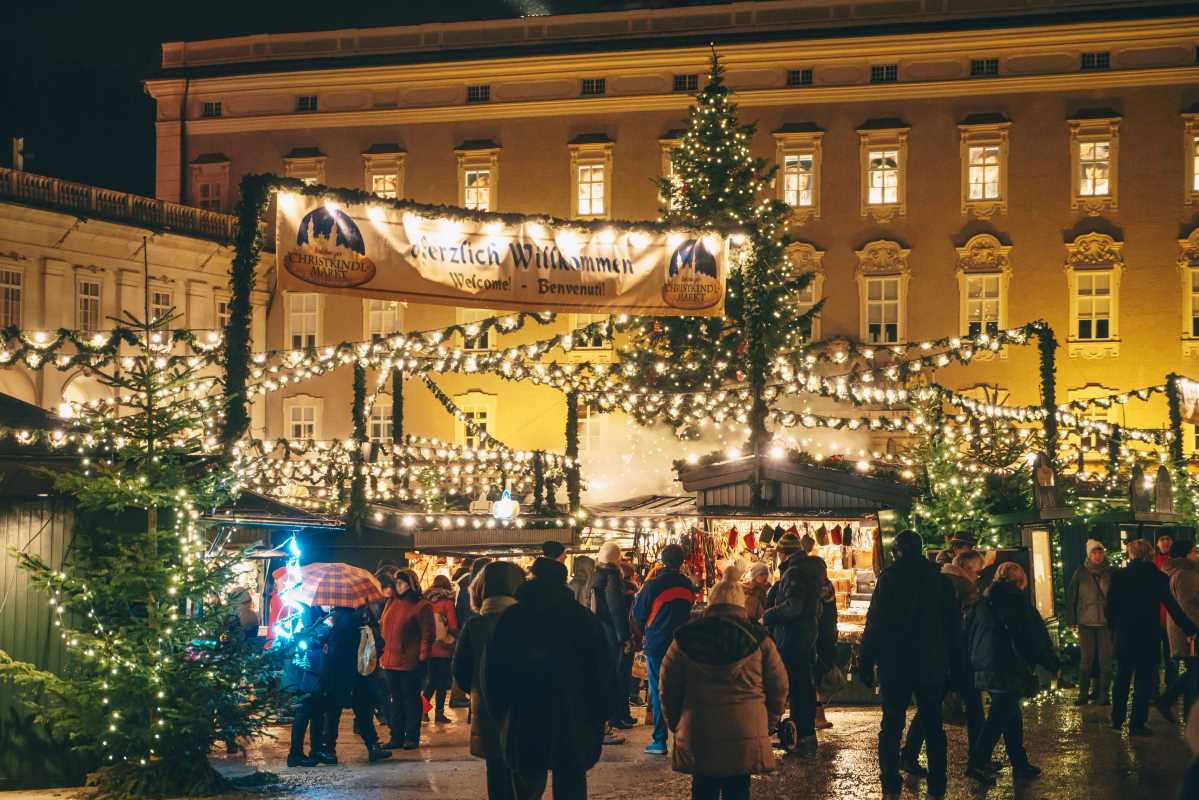
Not every market follows the same rhythm. In Europe, morning markets brim with fresh bread, stacked wheels of cheese, and tables draped in linen where bakers greet regulars by name. In Southeast Asia, twilight markets glow under fairy lights and steam rises from simmering soups while musicians pick up a tune nearby. Caribbean stands pile ripe mangoes next to spicy hot sauces made from peppercorns picked at dawn. Observing how each setting operates helps families choose a market that fits their pace, whether they love early mornings or lively evenings.
Learning a few local phrases goes a long way. A simple “thank you” or “how much” in the native tongue bridges gaps and draws smiles. You might discover a stall owner who offers a sample of homemade jam or shows your teen how to shape dough for flatbreads. These small interactions fire kids’ imaginations, turning geography lessons into real-time dialogues. Encourage family members to jot down favorite words, then practice them over dinner once you return to your lodging.
Plan Your Market Adventure
- Check hours and peak times: Arrive early to beat crowds or linger late if the market features live performances.
- Pack small bills and reusable bags: Local vendors often prefer exact change, and eco-friendly totes reduce plastic waste.
- Research signature treats: Pinpoint a few must-try snacks so the family doesn’t miss regional delights like Moroccan pastries or Indonesian satay.
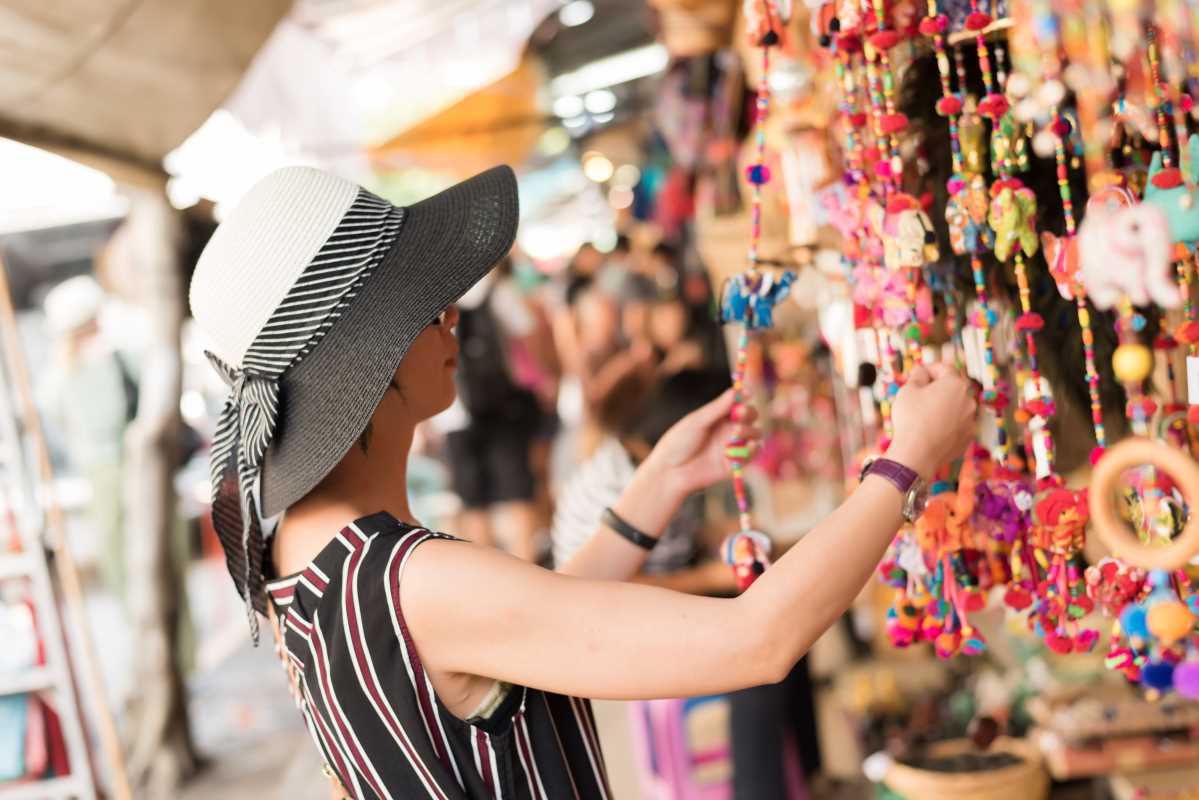
- Dress for comfort: Recommend sun hats, sturdy shoes, and a lightweight backpack for water and souvenirs.
- Map nearby rest spots: Identify public benches, tree-shaded areas, or quiet cafes where everyone can rest and regroup.
By plotting these details beforehand, you’ll keep the outing smooth and let your family soak in the sights without stress. Parents can relax knowing they have loose plans for taste tests and snack breaks. Kids will feel excited by the promise of hidden corners and surprise discoveries. This preparation helps you approach the market like seasoned explorers instead of rushing shoppers.
Leaving room for flexibility makes the best memories. If you smell fresh churros a block away, it’s fine to veer off course. If the kids make friends with a local artisan teaching simple pottery techniques, allow extra time to watch. Marking must-see stalls on a map creates a sense of purpose, while embracing detours sparks genuine delight.
Engage All Your Senses
A trip to a market awakens sight, sound, scent, touch, and taste in ways no museum can match. Let each family member pick an activity that highlights one sense. The youngest might admire the patterns on handwoven baskets, while older kids listen in on haggling in the local dialect. Parents can inhale the aroma of freshly ground spices or brush a finger against a succulent rind to savor its texture.
Turn this into a playful challenge: create a “market scavenger list” that asks participants to spot a bright red chili, trace a pattern etched on copper tea kettles, or mimic the beat of street drummers. When families compare notes at the end, they weave together a richer picture of the market’s character. This sensory game trains curious eyes and ears, making even the most familiar stalls feel fresh and new.
Fun Activities for Kids
- Fruit Tasting Passport: Write the name of each local fruit on a small card and let kids stamp it when they taste something new. They’ll collect a mini souvenir and celebrate flavors like jackfruit, dragon fruit, or guava.
- Pattern Sketchbook: Hand out small notebooks and colored pencils. Invite children to sketch a favorite craft detail or fabric pattern they discover among the vendors.
- Vendor Interview: Give older kids a list of simple questions—What inspired you to create this? How long have you worked at the market?—and encourage them to chat with a stall owner, noting answers for a family blog or scrapbook.
- Cultural Dance Break: If musicians appear in the square, suggest kids try matching a basic step. Often performers love teaching a few moves in exchange for applause.
- Spice Scavenger Hunt: Lay out small jars labeled by flavor—sweet, smoky, tangy—and guide children to find samples that match. Let them smell or taste tiny pinches under supervision.
These hands-on games keep restless legs busy and refresh the experience for every age. When you invite youngsters to document discoveries, they will point out colors or share newfound words as you walk on.
Taste and Sample Local Foods
Sampling street food requires a strategy: start with small portions so each family member can try multiple dishes. Nibble on silky tamales drizzled with chili oil in Mexico City, then follow up with tangy ceviche served in a hollowed coconut along Peru’s coast. Share sticky rice dumplings from bamboo baskets in Taiwan before moving on to crisp falafel in Cairo. Swapping bite-sized servings turns lunch into a mini world tour.
For families with dietary preferences, look for stalls offering fresh-pressed fruit juices or vegetable fritters baked instead of fried. Communicate allergies clearly—many vendors appreciate polite heads-up and gladly point out safe options. Keep wet wipes and napkins handy; messy smiles count among the best souvenirs.
Tips for Responsible Shopping
Smart travelers choose locally made items instead of mass-produced souvenirs. When you purchase handcrafted textiles, wooden toys, or small-batch honey, you support families in the community rather than large corporations. Ask vendors about their crafting process and origin of materials—children grow curious about how natural dyes or olive wood come to life under skilled hands.
Prevent waste by resisting impulse buys and focusing on meaningful objects. Perhaps your family agrees on one trinket per person or swaps a token gift instead of multiple small items. Bringing sturdy, reusable shopping bags keeps plastic out of local waterways and teaches youngsters respect for the environment where new memories bloom.
Markets reveal a place’s traditions through taste, color, and personal encounters. Families should bring a journal and hearty appetites to capture memorable moments beyond photographs.