Entertainment has never been more accessible—or more fragmented—than it is today. With a smartphone in nearly every pocket and high-speed internet widely available, the way people consume media has undergone a dramatic transformation. Traditional models like scheduled TV programming and physical media have largely given way to on-demand, personalized, and interactive experiences.
These shifts aren’t random. They’re driven by evolving technology, changing audience expectations, and new business models. Understanding the trends shaping modern media consumption offers insight into where entertainment is headed next—and why audiences behave the way they do.
The Rise of On-Demand Streaming
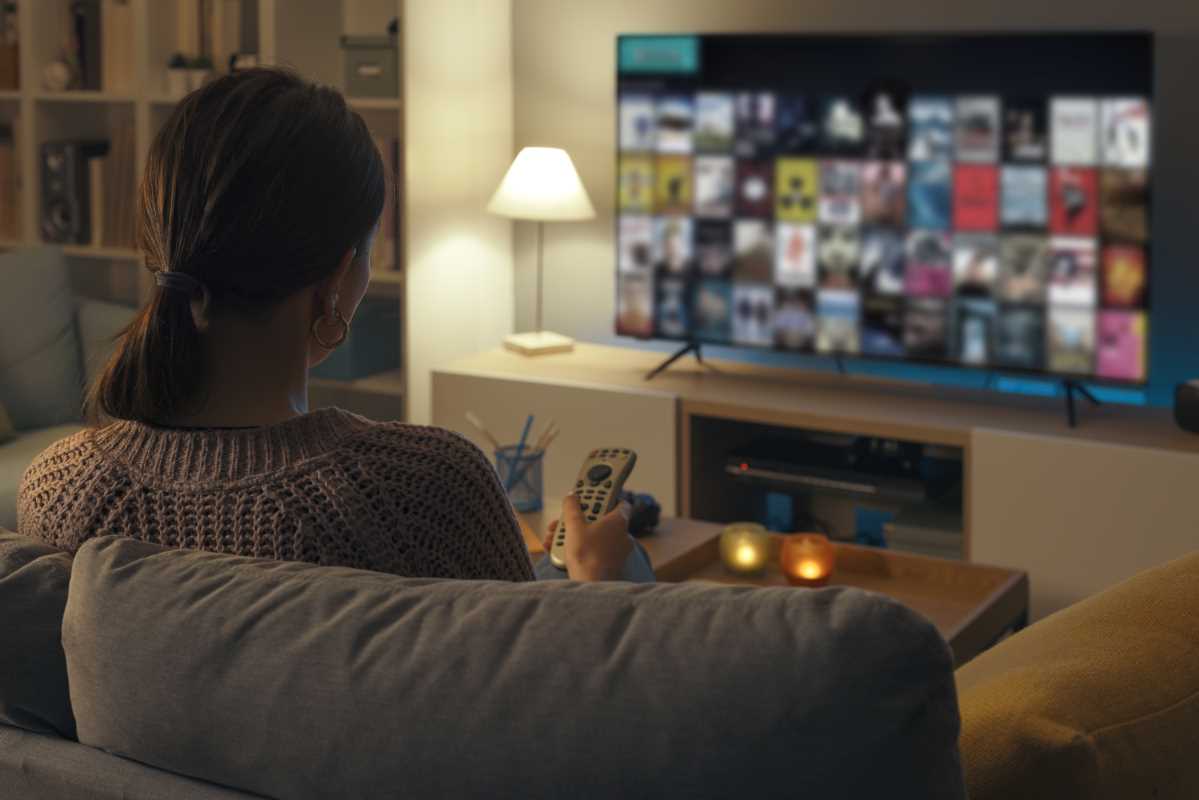
One of the most defining trends of the past decade is the dominance of streaming platforms. Services like Netflix, Disney+, and others have fundamentally changed how audiences watch movies and television.
Instead of waiting for scheduled broadcasts, viewers now expect instant access to vast libraries of content. This on-demand culture has made binge-watching a common habit, with entire seasons released at once to encourage prolonged viewing sessions.
Streaming has also reshaped content production. Platforms invest heavily in original programming, often tailoring shows to specific audience segments based on viewing data. This data-driven approach has led to more diverse and niche content, appealing to a wider range of tastes than traditional networks typically offered.
Short-Form Content and the Attention Economy
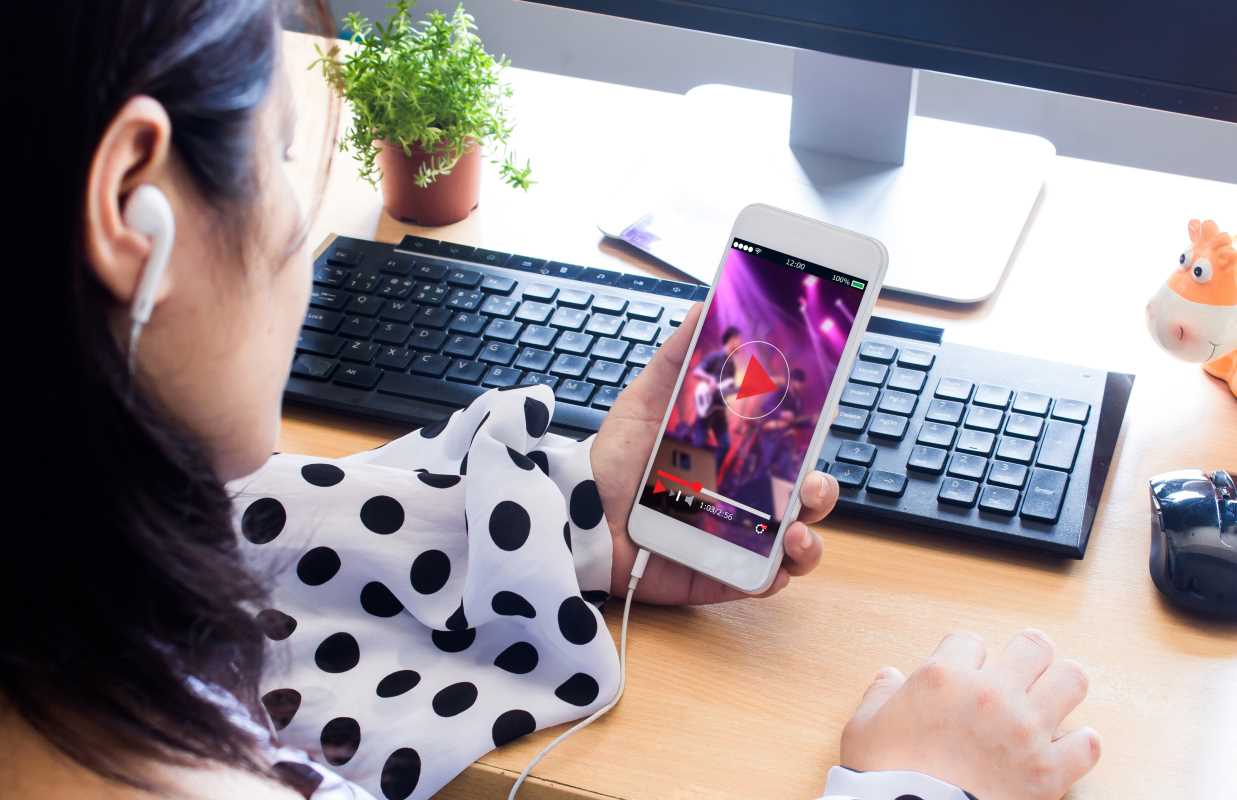
As attention spans shrink and competition for time increases, short-form content has exploded in popularity. Platforms like TikTok, Instagram Reels, and YouTube Shorts cater to users who prefer quick, engaging videos that can be consumed in seconds.
This format thrives on immediacy and shareability. Content is often fast-paced, visually stimulating, and designed to capture attention within the first few seconds. Creators must constantly innovate to stand out in crowded feeds.
The success of short-form media has influenced even long-form creators, many of whom now repurpose clips or create bite-sized versions of their content to reach broader audiences.
The Growth of Creator-Driven Platforms
Traditional entertainment used to be dominated by studios, networks, and production companies. Today, individual creators have become powerful forces in media.
Platforms like YouTube, Twitch, and Patreon allow creators to build direct relationships with their audiences. This shift has democratized content creation, enabling anyone with talent and consistency to grow a following.
Audiences are increasingly drawn to authenticity. They value personalities and relatable voices over polished, corporate productions. As a result, influencer culture has become a central part of modern entertainment, with creators shaping trends, opinions, and even purchasing decisions.
Interactive and Immersive Experiences
Entertainment is no longer just something you watch—it’s something you participate in. Interactive media is gaining traction across multiple formats.
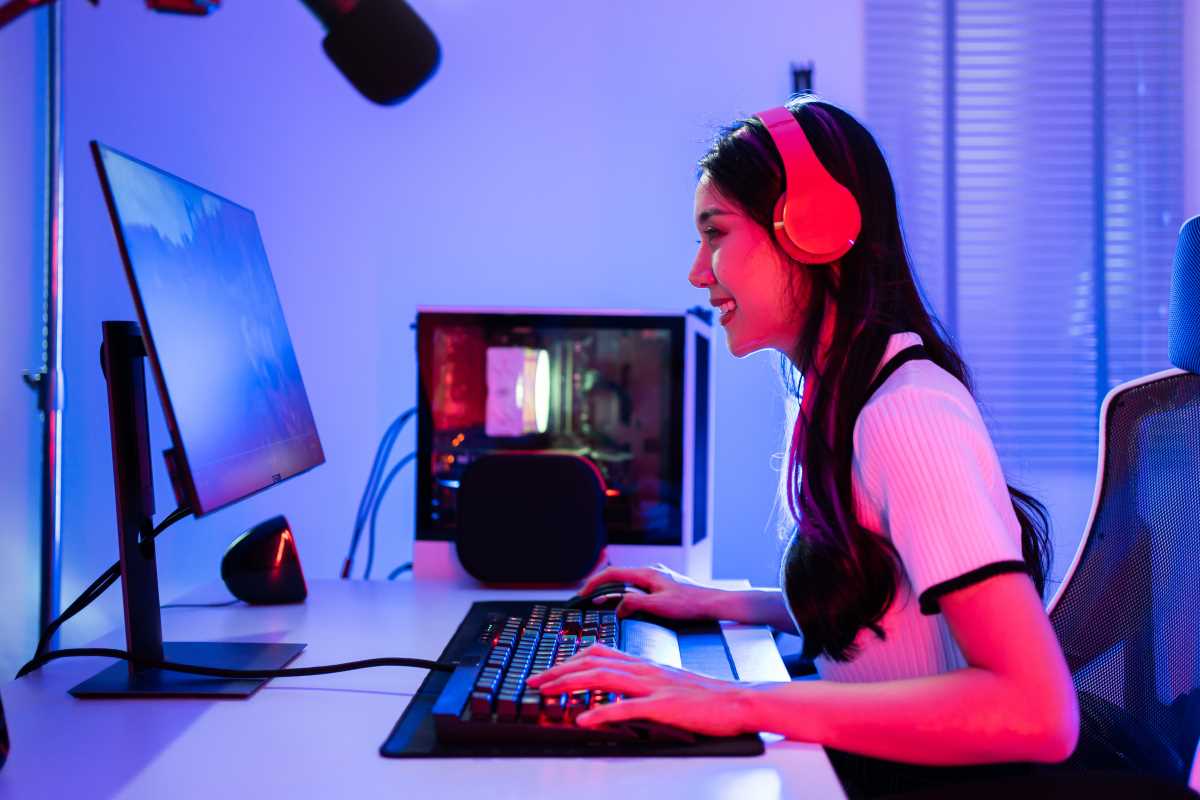
Video games, for example, have evolved into social platforms where players connect, collaborate, and compete. Live streaming adds another layer of interactivity, allowing audiences to engage with creators in real time through chat and reactions.
Emerging technologies like virtual reality (VR) and augmented reality (AR) are pushing this trend even further. These tools create immersive environments where users can explore, interact, and experience content in entirely new ways.
Personalized Algorithms and Content Discovery
Modern media consumption is heavily influenced by algorithms. Platforms use data to recommend content tailored to individual preferences, creating highly personalized experiences.
While this makes discovery more efficient, it also shapes what audiences see—and don’t see. Recommendation systems prioritize engagement, often promoting content similar to what users have already consumed.
This personalization can lead to “content bubbles,” where users are exposed to a narrow range of ideas and styles. At the same time, it allows niche creators and genres to find dedicated audiences more easily than ever before.
The Blending of Entertainment and Social Media
The line between entertainment and social interaction has blurred significantly. Social media platforms are no longer just for communication—they are major entertainment hubs.
Users don’t just consume content; they react, comment, share, and remix it. Memes, challenges, and viral trends spread rapidly, turning ordinary moments into global phenomena.
This blending has also changed how content is measured. Success is no longer just about viewership numbers—it’s about engagement, shares, and cultural impact.
Subscription Fatigue and the Return of Bundling
As more streaming services enter the market, consumers are facing an overwhelming number of subscriptions. What started as a convenient alternative to cable has, in some ways, recreated the same complexity.
This has led to “subscription fatigue,” where users begin to reassess which services are worth keeping. In response, companies are experimenting with bundling options, ad-supported tiers, and partnerships to retain subscribers.
The industry appears to be moving toward a hybrid model, combining the flexibility of streaming with some of the simplicity of traditional packages.
The Globalization of Content
Modern media consumption is increasingly global. Audiences are no longer limited to content produced in their own country.
International shows, films, and music are reaching worldwide audiences through streaming platforms. Subtitles and dubbing have made it easier than ever to enjoy content in different languages.
This globalization has led to a cross-pollination of ideas and styles, enriching the entertainment landscape. It has also created opportunities for creators from diverse backgrounds to gain international recognition.
Audio Entertainment and the Podcast Boom
While video dominates much of the conversation, audio content has experienced a significant resurgence. Podcasts, audiobooks, and music streaming have become integral parts of daily life.
Podcasts, in particular, offer a flexible, on-the-go form of entertainment. They cater to a wide range of interests, from true crime and business to comedy and personal development.
This format allows for deeper, more nuanced discussions compared to short-form video, making it appealing to audiences looking for substance and storytelling.